Jacob Rees-Mogg Former Minister for Brexit Opportunities and Government Efficiency
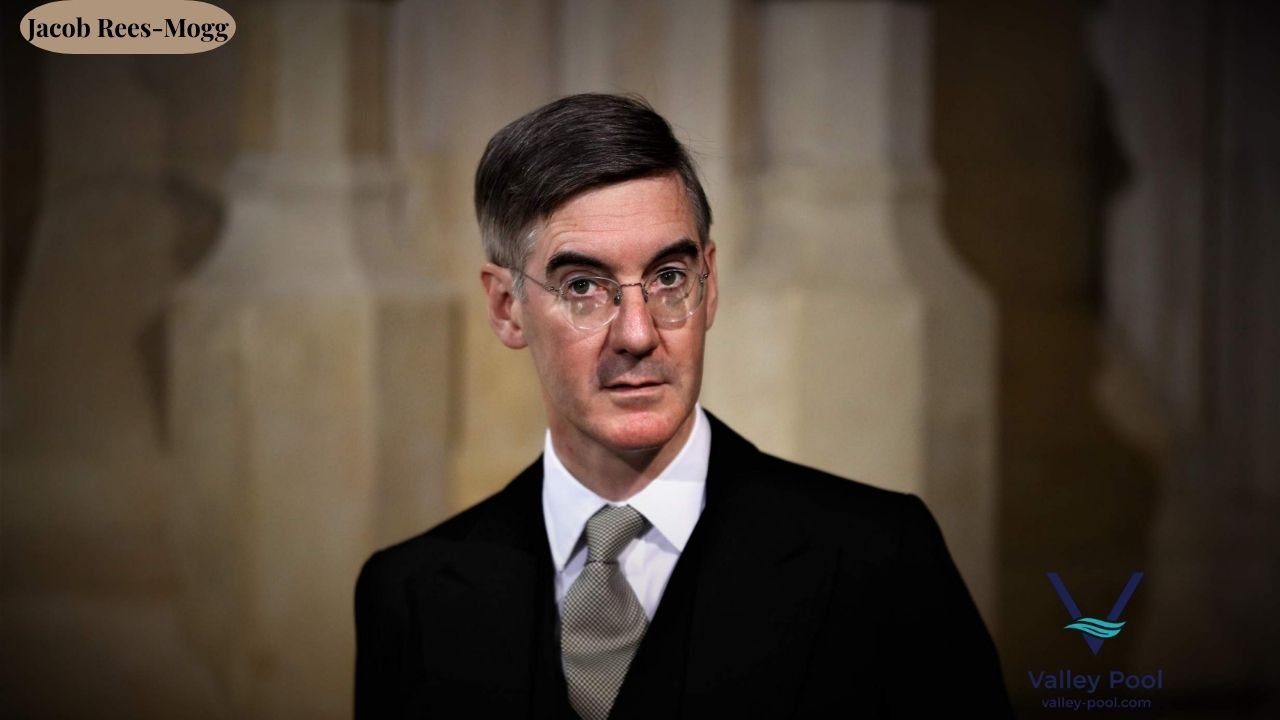
Introduction to Jacob Rees-Mogg
Jacob Rees-Mogg is one of the most recognizable figures in modern British politics. Known for his traditional style, sharp debating skills, and strong views on national sovereignty, he became a central personality during the Brexit era.
As a senior Conservative politician, Jacob Rees-Mogg served as the Former Minister for Brexit Opportunities and Government Efficiency of the United Kingdom. His appointment reflected his longstanding support for leaving the European Union and his belief in streamlining government operations.
He became a significant political figure not only because of his policy positions but also due to his distinctive personality and outspoken communication style. From Parliament debates to television interviews, jacob rees-mogg has consistently remained in the public eye.
Early Life and Education of Jacob Rees-Mogg
Born into a well-known family with strong intellectual and financial roots, jacob rees-mogg young displayed academic talent early in life. His upbringing combined tradition, discipline, and political awareness.
He was educated at Eton College, one of the UK’s most prestigious schools. Later, he studied history at Oxford University, where he further developed his conservative political philosophy. His education shaped his appreciation for constitutional history, parliamentary traditions, and economic liberalism.
These early influences played a major role in forming the political identity he would later carry into national leadership.
Political Career Before Ministerial Role
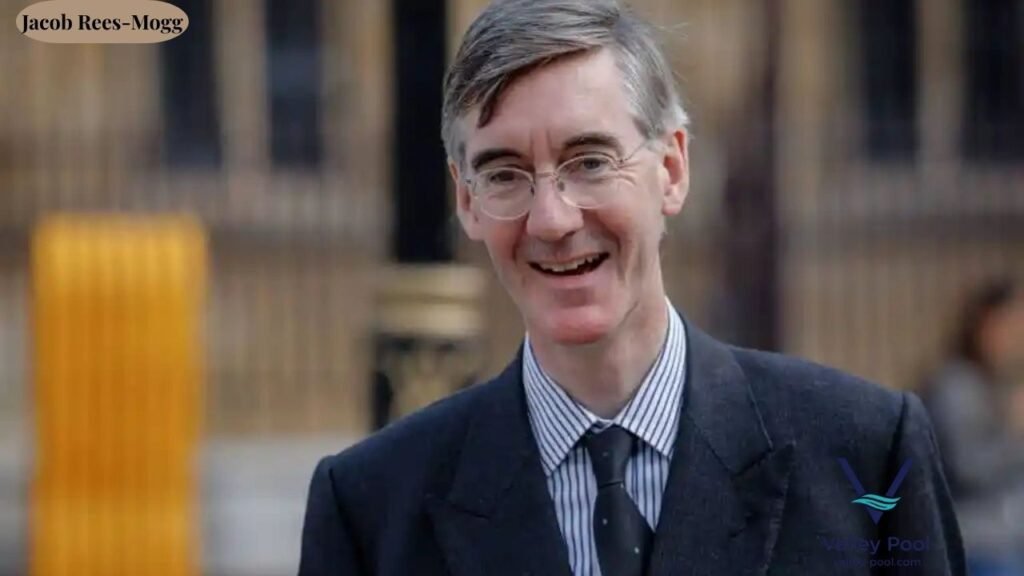
Jacob Rees-Mogg entered Parliament after being elected as Member of Parliament for North East Somerset. Over time, he built a reputation as a principled and articulate Conservative voice.
Within the Conservative Party, he became associated with traditionalist positions. His commitment to limited government, free enterprise, and British sovereignty earned him support among grassroots members.
Before his ministerial appointment, he was already a high-profile political figure, regularly appearing in debates and media discussions.
Jacob Rees-Mogg and Brexit
Jacob Rees-Mogg was one of the most visible supporters of Brexit. During the referendum campaign, he advocated strongly for leaving the European Union, emphasizing sovereignty, regulatory independence, and economic freedom.
He played a prominent role in the European Research Group (ERG), a group of Conservative MPs advocating for a clean and decisive Brexit. His speeches during negotiations reinforced his belief that Britain should take full control of its laws and trade policies.
His influence within the party during Brexit negotiations solidified his position as a key figure in shaping post-EU policy discussions.
Appointment as Minister for Brexit Opportunities and Government Efficiency
Jacob Rees-Mogg was appointed as Minister for Brexit Opportunities and Government Efficiency during a period when the UK was redefining its relationship with Europe.
His responsibilities included identifying regulatory reforms, improving civil service productivity, and ensuring that Brexit delivered measurable benefits. The department’s goals focused on simplifying processes and reducing bureaucratic burdens.
He emphasized post-Brexit reforms aimed at enhancing economic competitiveness and ensuring that government departments operated more efficiently.
Government Efficiency Initiatives
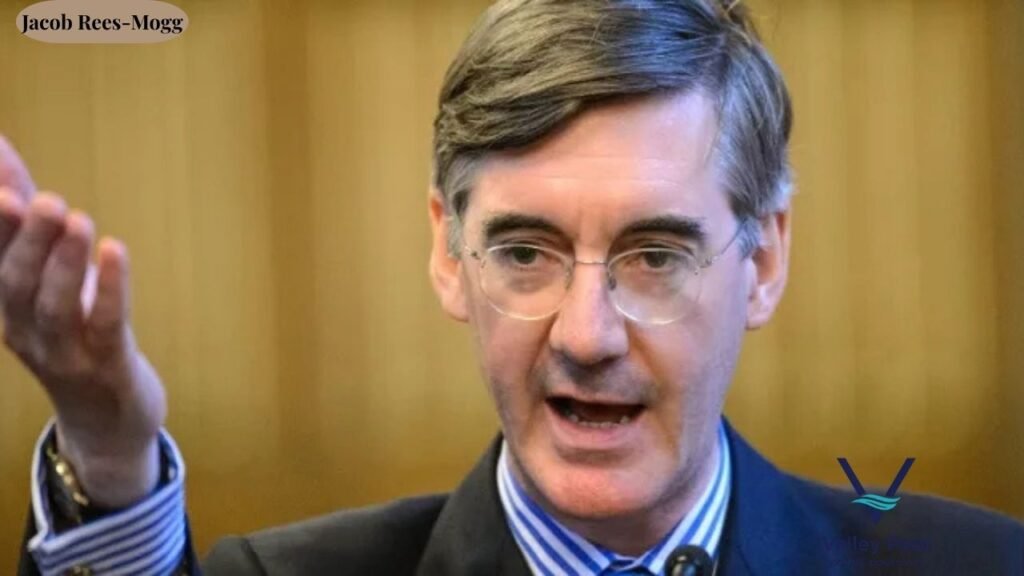
As minister, jacob rees-mogg promoted several initiatives intended to reform the civil service. He advocated cost-cutting measures and encouraged a stronger in-office presence for government employees.
His return-to-office policy for civil servants attracted attention and sparked debate. He argued that collaboration and accountability were strengthened through physical attendance.
Public sector restructuring proposals were also part of his broader plan to improve government efficiency while reducing unnecessary expenditure.
Controversies and Criticism
Like many prominent politicians, jacob rees-mogg faced criticism. Media coverage often focused on his traditional views, parliamentary remarks, and policy decisions.
Opposition parties challenged his approach to government reform and Brexit implementation. Even within his own party, debates sometimes emerged regarding strategy and tone.
Despite criticism, he remained consistent in defending his policies and ideological commitments.
Leadership Style and Political Ideology
Jacob Rees-Mogg is widely regarded as a traditional conservative. He supports free-market principles, limited state intervention, and strong national sovereignty.
His views on governance reflect a belief in parliamentary authority and constitutional continuity. His communication style is formal yet occasionally humorous, contributing to a distinctive public persona.
His measured speech and classical references have made him one of the most recognizable voices in UK politics.
Later Political Developments
Following cabinet reshuffles and changes in party leadership, jacob rees-mogg’s ministerial tenure came to an end. However, he remained politically active.
His electoral performance and continued public appearances ensured that he stayed relevant in political discourse. Media involvement and commentary have kept him connected to national conversations.
For those searching for jacob rees-mogg latest news today, updates typically focus on his commentary, political analysis, or public engagements.
Personal Life and Public Image
Public curiosity often extends beyond politics. Questions such as “does jacob rees-mogg have a wife?” and “who is the wife of jacob rees-mogg?” are frequently searched.
Jacob Rees-Mogg is married, and jacob rees-mogg wife is known for maintaining a relatively private profile compared to her husband’s public career. Discussions about jacob rees-mogg children also arise, as he is a father to a large family.
Financial topics are also common online, including searches about jacob rees-mogg net worth and jacob rees-mogg wife net worth. While exact figures vary in public estimates, his background in finance and investment management contributes to perceptions of substantial wealth.
There is also interest in jacob rees-mogg house, reflecting curiosity about his lifestyle, and even basic details such as jacob rees-mogg height often appear in search trends.
His traditional attire, composed demeanor, and formal speaking style have shaped his public image as one of the most distinctive figures in Westminster.
Legacy and Impact
Jacob Rees-Mogg’s contribution to Brexit implementation remains one of the defining aspects of his political career. His advocacy for sovereignty and regulatory reform influenced the direction of post-Brexit policy.
His focus on government efficiency sparked ongoing debate about civil service modernization. Supporters credit him with pushing reform discussions forward, while critics question the practicality of some proposals.
Within the Conservative Party, his long-term influence continues, particularly among members who value traditional conservative principles.
Overall, jacob rees-mogg’s tenure as Former Minister for Brexit Opportunities and Government Efficiency reflects a period of significant transition in UK politics.
Frequently Asked Questions (FAQ)
Who is jacob rees-mogg?
He is a British Conservative politician who served as Former Minister for Brexit Opportunities and Government Efficiency.
What was his role as Minister for Brexit Opportunities?
He worked on identifying regulatory reforms, improving efficiency within government departments, and ensuring the UK capitalized on Brexit opportunities.
What does Government Efficiency mean in his context?
It referred to reducing bureaucracy, improving civil service productivity, and implementing cost-saving measures.
Is Jacob Rees-Mogg still active in politics?
While no longer serving in that ministerial role, he remains engaged in political discussions and public commentary.
Also Read: Mikie Sherrill From Navy Pilot to New Jersey Governor Candidate