BKStone: The Ultimate Guide to Engineered Stone for Modern Construction and Design
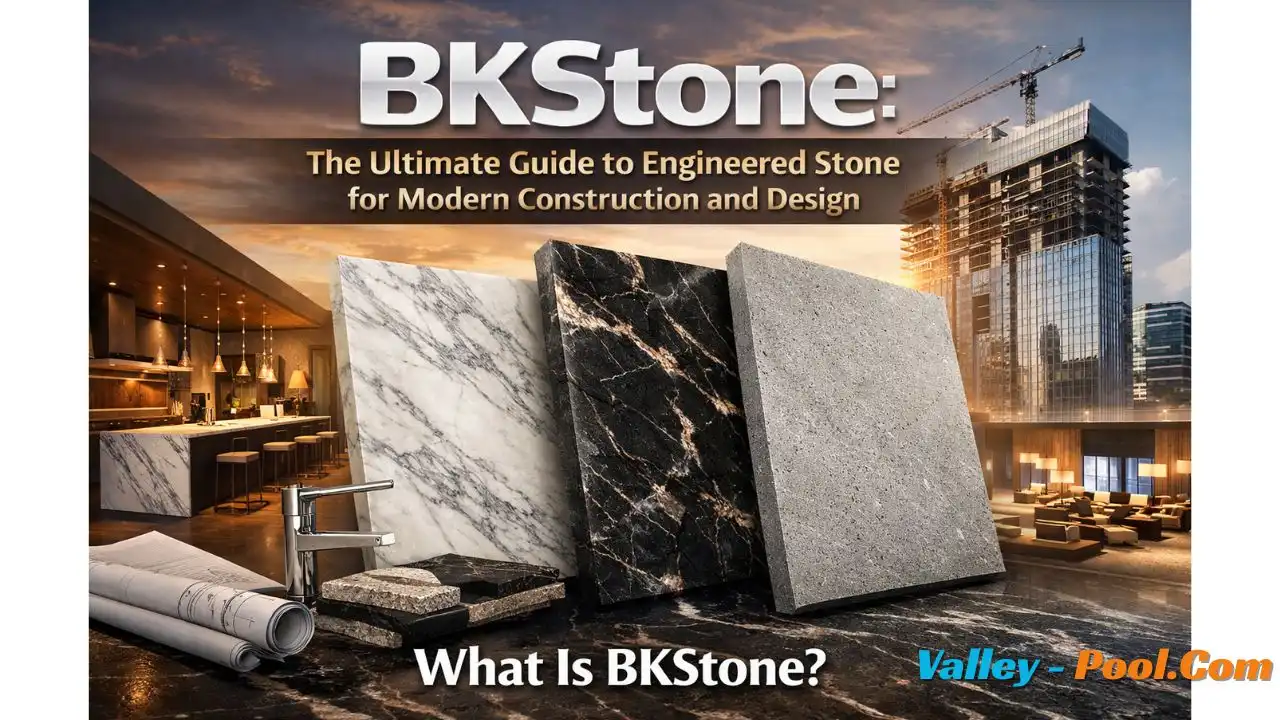
What Is BKStone?
In a world where aesthetics and durability go hand in hand, BKStone has quietly emerged as one of the most talked-about materials in modern construction and interior design. Whether someone is renovating a kitchen, building a luxury hotel lobby, or designing a contemporary office space, BKStone keeps coming up as a go-to solution — and for good reason.
At its core, BKStone is a premium engineered stone product that delivers the timeless beauty of natural stone with the added benefits of modern material science. It bridges the gap between raw natural materials and precision-engineered surfaces, giving architects, designers, and everyday homeowners a reliable, visually stunning option that doesn’t compromise on performance.
Why BKStone Is Gaining Popularity in Modern Construction and Design
The construction and interior design industries have changed dramatically over the past decade. Clients want materials that look great, last long, are easy to maintain, and align with environmental values. Traditional stone, while beautiful, often falls short on consistency and upkeep. That’s exactly where BKStone steps in.
Its rise in popularity isn’t accidental. As more professionals and homeowners discover its versatility, durability, and design potential, BKStone is steadily becoming a staple material — not just a trend. From residential projects to large-scale commercial developments, its presence is growing in markets around the world.
What This Article Covers
This guide walks through everything worth knowing about BKStone — what it is, how it’s manufactured, where it’s used, how it compares to traditional stone, and how to care for it properly. Whether someone is a curious homeowner, an interior designer exploring new materials, or a contractor looking for reliable product information, this article has it all covered.
What Is BKStone? Definition and Background
Definition: A High-Quality Engineered Stone Solution
BKStone is classified as an engineered stone, which means it’s not purely natural but is instead crafted through a controlled manufacturing process that combines natural stone aggregates with binding agents and resins. The result is a surface material that mirrors the look of natural stone — think granite, marble, or quartz — but with improved structural integrity and consistency.
What sets BKStone apart from generic engineered stones is the attention to quality at every stage of production. The material is designed to meet the demands of both high-end residential and demanding commercial environments without losing its visual appeal over time.
How It Differs from Traditional/Natural Stone
Natural stone is undeniably beautiful, but it comes with its own set of challenges. Variations in color, veining, and texture make it difficult to achieve a consistent look across large surfaces. Natural stone is also porous, which means it can absorb stains, moisture, and bacteria if not properly sealed and maintained.
BKStone addresses these limitations head-on. Because the manufacturing process is controlled, every slab produced maintains a consistent appearance. The surface is non-porous by design, which eliminates the need for ongoing sealing. And unlike natural stone, which can have internal weaknesses due to geological formation, BKStone is engineered to minimize cracking and structural inconsistency.
The Manufacturing Philosophy Behind BKStone
The philosophy behind BKStone is straightforward: combine the best qualities of nature with the precision of modern engineering. Rather than replacing the organic character of stone, BKStone enhances it. The goal is to produce a material that feels authentic, performs exceptionally, and remains accessible to a wide range of projects and budgets.
This philosophy shapes everything from the selection of raw materials to the finishing process, ensuring that every BKStone product delivers a consistent, high-quality experience for the end user.
How BKStone Is Made: Composition and Manufacturing
Blend of Natural Stone Elements and Advanced Binding Technologies
The foundation of BKStone lies in its composition. The material typically consists of a high percentage of natural stone aggregates — often quartz, granite, or marble particles — combined with polymer resins and binding agents. This combination is carefully calibrated to achieve the right balance of hardness, flexibility, and visual texture.
The natural stone content gives BKStone its authentic appearance, while the binding technologies provide structural strength and surface uniformity. The result is a material that genuinely looks like stone but behaves like a precision-engineered product.
Controlled Manufacturing Process
One of the key advantages of BKStone over natural stone is that its production takes place in a controlled environment. Raw materials are measured, mixed, and processed under strict conditions to ensure every slab meets defined quality standards.
The manufacturing process typically involves compressing the mixed materials under high pressure, followed by curing at controlled temperatures. This process eliminates the air pockets and internal inconsistencies that are common in natural stone, resulting in a denser, more uniform final product.
Material Science: Resistance to Cracking, Moisture, and Surface Degradation
The material science behind BKStone is what makes it genuinely impressive. The non-porous surface repels moisture, preventing the kind of water infiltration that leads to staining and bacterial growth over time. The engineered composition also gives the material excellent resistance to impact and cracking, making it suitable for high-traffic areas where durability is non-negotiable.
Surface degradation — the gradual dulling, scratching, or etching that affects many stone surfaces — is significantly reduced with BKStone due to the hardness of its composition and the quality of its surface finish. Even in environments with heavy daily use, BKStone maintains its appearance far better than many alternatives.
Quality Control and Consistency
Every BKStone product goes through rigorous quality control checks before it leaves the manufacturing facility. These checks cover dimensions, surface finish, color consistency, and structural integrity. The result is a product that professionals can specify with confidence, knowing that what they order will match what they receive — something that can rarely be guaranteed with natural stone.
Key Applications of BKStone
Residential Use: Kitchen Countertops, Bathroom Vanities, Flooring, Wall Cladding, Staircases
In residential settings, BKStone has found its most enthusiastic audience among homeowners who want the luxurious look of natural stone without the associated maintenance headaches.
Kitchen countertops are perhaps the most common application. BKStone’s non-porous surface makes it hygienic and easy to clean — important qualities in a space where food preparation happens daily. Bathroom vanities benefit from the same qualities, with the added advantage that moisture from sinks and showers doesn’t penetrate the surface.
Flooring is another area where BKStone excels. Its durability means it stands up to foot traffic, furniture, and everyday wear without showing signs of deterioration quickly. Wall cladding and feature walls benefit from BKStone’s consistent color and texture patterns, creating a polished, high-end look throughout the home. Even staircases — surfaces that endure enormous amounts of daily contact — are well-suited to BKStone’s resilient composition.
Commercial Use: Hotels, Offices, Retail Centers, Public Buildings
Commercial spaces put surfaces through far more stress than homes do, and this is where BKStone truly proves its worth. Hotels use it in lobbies, reception desks, and guest bathrooms, where it needs to look pristine while withstanding constant use. Office buildings and corporate interiors use BKStone for feature walls, reception counters, and shared bathroom facilities.
Retail centers and public buildings face similar demands. BKStone floors and wall surfaces in these environments maintain their appearance over years of heavy foot traffic, reducing replacement and maintenance costs for facility managers. The consistency of BKStone’s appearance also makes it easy to maintain a cohesive design aesthetic across large spaces or multiple locations.
Exterior Use: Facades, Landscape Features, Weather-Exposed Surfaces
BKStone is not limited to indoor applications. Its weather-resistant properties make it a strong candidate for exterior use as well. Building facades clad in BKStone benefit from its resistance to moisture and temperature fluctuations, which are two of the leading causes of deterioration in exterior building materials.
Landscape features — including garden walls, outdoor seating areas, and water features — are also well-served by BKStone. The material’s ability to handle exposure to the elements without significant degradation means that outdoor installations can maintain their appearance and structural integrity for many years with minimal upkeep.
Advantages of BKStone
Enhanced Durability and Impact Resistance
Durability is one of BKStone’s most cited advantages. Its engineered composition gives it a level of hardness and impact resistance that many natural stones simply cannot match. Surfaces take the hits of daily life — dropped items, heavy cookware, sliding furniture — without chipping or cracking as readily as softer stone alternatives.
Consistent Color and Surface Pattern
For large-scale projects where design consistency is critical, BKStone is a natural fit. Because each slab is produced under controlled conditions, the color and surface pattern remain highly consistent across production batches. This makes it far easier for designers and contractors to match surfaces across large areas or to source replacement slabs down the line.
Easy Maintenance and Cleaning
BKStone surfaces are straightforward to maintain. In most cases, a damp cloth and a mild cleaning solution are all that’s needed to keep surfaces looking their best. There’s no need for periodic sealing, specialized stone cleaners, or professional polishing treatments — a significant advantage over many natural stone options.
Non-Porous Surface: Stain and Bacteria Resistant
The non-porous nature of BKStone is a major practical benefit, especially in kitchens and bathrooms. Liquids, oils, and bacteria cannot penetrate the surface, which means stains are easier to remove and hygiene is easier to maintain. This quality also makes BKStone a favorite choice in commercial food preparation environments and healthcare settings.
Aesthetic Appeal: Natural Stone Look with Modern Precision
One of the most compelling things about BKStone is that it doesn’t look like a substitute — it looks like the real thing, and sometimes better. The manufacturing process allows for a level of aesthetic control that nature simply doesn’t offer. Designers can choose from a wide range of colors, textures, and finishes, and they know exactly what they’ll get in terms of visual consistency.
Sustainability and Minimal Material Waste
The production of BKStone is inherently more resource-efficient than quarrying natural stone. Because the material is engineered, manufacturers can use stone aggregates more efficiently, reducing the amount of raw material that goes to waste. This makes BKStone a more sustainable choice for projects where environmental impact is a consideration.
BKStone vs. Traditional Stone
Comparison: BKStone vs. Granite, Marble, and Limestone
| Feature | BKStone | Granite | Marble | Limestone |
|---|---|---|---|---|
| Porosity | Non-porous | Slightly porous | Porous | Highly porous |
| Consistency | High | Variable | Variable | Variable |
| Maintenance | Low | Moderate | High | High |
| Durability | Very high | High | Moderate | Moderate |
| Aesthetic Range | Wide | Limited to natural | Limited to natural | Limited to natural |
| Sustainability | High | Moderate | Moderate | Moderate |
Performance Under High Traffic and Environmental Stress
Granite comes closest to BKStone in terms of durability, but even granite is susceptible to staining and surface degradation without regular sealing. Marble, while luxurious in appearance, is notoriously prone to etching from acidic substances and requires careful maintenance to preserve its look. Limestone is beautiful but soft, making it poorly suited for high-traffic areas.
BKStone consistently performs well under the kinds of stress that cause traditional stones to age prematurely. It handles spills, scratches, UV exposure, and temperature changes better than most natural alternatives, making it a more reliable long-term investment.
Cost-Effectiveness Over Time
While the upfront cost of BKStone may be comparable to or slightly higher than some natural stones, the long-term cost picture tells a different story. Lower maintenance requirements, no need for sealing products, and far fewer replacements due to damage all add up to meaningful cost savings over the life of a project. For commercial applications especially, this makes BKStone a financially smart choice.
Maintenance and Care Guide
Daily Cleaning Routine
Keeping BKStone surfaces clean on a daily basis is refreshingly simple. A soft cloth or sponge with warm water and a pH-neutral cleaner is sufficient for most spills and surface dirt. Because the surface is non-porous, spills don’t seep in, making cleanup quicker and more effective than it would be on porous natural stone.
For kitchen countertops, wiping down the surface after food preparation is recommended to keep it looking its best. In bathrooms, a quick daily wipe-down prevents soap scum and mineral deposits from building up.
Products to Use and Avoid
When it comes to cleaning products, gentle is the way to go with BKStone. pH-neutral or mild household cleaners work well and won’t damage the surface finish. Harsh chemicals — particularly those containing bleach, ammonia, or strong acids — should be avoided, as they can dull the surface over time.
Abrasive scrubbing pads are also a no-go, as they can create micro-scratches on the surface that accumulate and affect the stone’s appearance. Soft cloths, microfiber towels, and non-abrasive sponges are the recommended cleaning tools.
Long-Term Preservation Tips
BKStone is low-maintenance by nature, but a few good habits go a long way toward preserving its appearance over the long term. Using cutting boards in the kitchen instead of cutting directly on the surface protects against scratching. Trivets or heat pads under hot cookware protect the surface from heat-related damage. In outdoor applications, occasional rinsing and inspection of joints and sealants help keep the installation in top shape.
When to Seek Professional Restoration
While BKStone is highly durable, no material is completely immune to damage. Deep scratches, chips from significant impacts, or surface staining from prolonged neglect may require professional attention. In these cases, a qualified stone restoration professional can assess the damage and recommend polishing, filling, or resurfacing as appropriate. Attempting to address serious damage with DIY methods is generally not recommended, as it can worsen the problem.
BKStone in Interior Design Trends
Role in Modern Minimalist and Luxury Design Aesthetics
Interior design has been moving toward cleaner lines, more refined palettes, and materials that feel both premium and uncluttered. BKStone fits naturally into this direction. Its consistent surface patterns and wide color range make it adaptable to both minimalist and luxury aesthetics without feeling out of place in either.
In minimalist interiors, large-format BKStone slabs with subtle veining create a sense of calm and sophistication. In luxury settings, bolder color choices and dramatic surface patterns add visual weight and grandeur. The material works across both ends of the design spectrum, which is a key reason for its growing popularity among designers.
Pairing BKStone with Other Materials
One of the things that makes BKStone a designer’s favorite is how well it plays with other materials. In kitchen and bathroom settings, it pairs beautifully with warm wood cabinetry, creating a contrast between the natural softness of wood and the polished precision of stone. Metal accents — brushed brass, matte black hardware, or stainless steel — complement BKStone surfaces particularly well.
Glass is another natural partner. In commercial settings especially, glass partitions and feature walls alongside BKStone surfaces create a contemporary, open aesthetic that reads as both modern and timeless. The key is in the balance — BKStone has enough visual presence to anchor a space without overpowering the other elements around it.
Color and Texture Options Available
The range of colors and textures available in BKStone is one of its strongest design advantages. From crisp whites and warm creams to deep charcoals and rich earth tones, there’s a BKStone option for virtually every design palette. Texture options range from highly polished finishes that reflect light beautifully to honed or matte finishes that offer a more understated, tactile quality.
This variety means that BKStone isn’t a one-size-fits-all material — it can be tailored to the specific visual and functional needs of each project, which gives designers a level of creative flexibility they often don’t get with natural stone.
Sustainability and Environmental Impact
Reduced Material Waste in Manufacturing
Unlike quarrying natural stone — a process that generates significant amounts of unusable material — the manufacturing process behind BKStone is designed to minimize waste. Stone aggregates that would otherwise be discarded from quarrying operations can be incorporated into BKStone’s composition, giving otherwise wasted material a productive second life.
This more efficient use of raw materials is a genuine environmental benefit, particularly as construction industries around the world look for ways to reduce their material footprint.
Longevity as an Eco-Friendly Benefit
One of the most straightforward sustainability arguments for BKStone is its longevity. A material that lasts decades without needing replacement is inherently more sustainable than one that needs to be replaced every few years. Because BKStone is so durable and low-maintenance, installations tend to have a much longer useful life compared to less robust alternatives. Fewer replacements mean fewer resources consumed over the life of a building.
Alignment with Green Building Standards
For projects pursuing green building certifications like LEED (Leadership in Energy and Environmental Design), material choices matter significantly. BKStone’s resource-efficient manufacturing process, reduced waste generation, and long service life all contribute positively to a project’s environmental performance. Specifying BKStone is a choice that can support broader sustainability goals without sacrificing quality or aesthetics.
How to Choose the Right BKStone for Your Project
Factors to Consider: Application Type, Finish, Thickness, Color
Choosing the right BKStone product starts with understanding the specific demands of the project. The application type is the first consideration — a kitchen countertop has different requirements than an exterior facade or a bathroom floor. Knowing where the material will be installed helps narrow down the options quickly.
Finish is another important variable. High-gloss finishes show off the material’s color and veining dramatically but may require more careful cleaning to avoid visible smudges. Honed or matte finishes are easier to maintain day-to-day and offer a softer, more contemporary look.
Thickness matters for both structural and aesthetic reasons. Thicker slabs feel more substantial and are better suited for countertops and high-impact surfaces, while thinner profiles work well for wall cladding and other decorative applications. Color should, of course, align with the overall design direction of the space.
Working with Architects and Interior Designers
For larger or more complex projects, working with an experienced architect or interior designer who is familiar with BKStone is highly recommended. These professionals can help navigate the range of available options, specify the right product for each application, and ensure that the installation meets both aesthetic and performance expectations.
Designers who have used BKStone in previous projects can also offer invaluable real-world insight into how different colors and finishes perform over time in different environments — information that simply isn’t available in a product catalog.
Sourcing and Supplier Tips
When sourcing BKStone, it’s worth taking the time to verify the credibility of the supplier. Reputable suppliers will provide product specifications, test data, and installation guidelines, and they’ll be able to offer samples for review before a purchase decision is made. Requesting references from previous projects is also a smart move, especially for large commercial specifications.
It’s also advisable to confirm lead times early in the project planning process, as supply chain timelines can vary depending on location and the specific products being ordered. Building contingency time into the project schedule for material delivery is a practical step that avoids delays down the line.
Frequently Asked Questions (FAQs)
Is BKStone Suitable for Outdoor Use?
Yes, BKStone is suitable for outdoor applications. Its weather-resistant properties — including resistance to moisture, temperature fluctuations, and UV exposure — make it a practical choice for facades, outdoor flooring, landscape features, and other exterior surfaces. That said, it’s worth consulting with the supplier to confirm which specific products within the BKStone range are rated for outdoor use, as formulations can vary.
How Does It Compare in Price to Natural Stone?
The price of BKStone is generally comparable to mid-to-high-range natural stone options, though it varies depending on the specific product, finish, and supplier. When total cost of ownership is considered — factoring in lower maintenance costs, no sealing requirements, and longer service life — BKStone often works out to be more cost-effective than natural stone over the long term.
Can BKStone Be Repaired if Damaged?
Minor surface scratches on BKStone can often be addressed with light polishing. More significant damage — such as chips or deep scratches — may require professional repair or, in more severe cases, slab replacement. Because BKStone is manufactured with consistent coloring throughout its production runs (not just surface coloring), repairs tend to blend more seamlessly than repairs to some other engineered materials.
Is It Safe for Food Preparation Surfaces?
Yes. BKStone’s non-porous surface means that bacteria, mold, and food particles cannot penetrate the material, making it a hygienic choice for kitchen countertops and food preparation areas. It’s worth noting that while BKStone is safe as a food preparation surface, using cutting boards and avoiding direct cutting on the surface is still recommended to protect the finish over time.
Conclusion
Recap of BKStone’s Value Proposition
BKStone represents a genuine evolution in how the construction and design industries think about stone surfaces. It combines the timeless visual appeal of natural stone with the practical benefits of precision engineering — delivering a product that’s durable, low-maintenance, visually consistent, and environmentally responsible.
From kitchen countertops to hotel lobbies, from bathroom vanities to building facades, BKStone has proven itself as a material that performs across a remarkably wide range of applications. Its growing presence in residential and commercial projects around the world is a testament to the fact that it genuinely delivers on its promises.
Final Recommendation
For homeowners looking to elevate their interiors, interior designers searching for a reliable and versatile material, and contractors and builders who need a surface that holds up under real-world demands, BKStone is well worth serious consideration. It’s not just a beautiful material — it’s a smart, practical, and sustainable investment in the quality of a space.
Call to Action
Anyone interested in BKStone for an upcoming project should reach out to an authorized supplier or distributor to explore the available range, request samples, and get expert guidance tailored to their specific needs. Seeing and feeling the material in person is often all it takes to understand why so many professionals and homeowners have made BKStone their surface of choice.
Also Read: Screwfix: The Complete Guide to Products, Stores, Delivery & Savings